


From challenging Transbank to being a continental open banking solution, Khipus decade in the Fintech world


From the very beginning, Khipu stood out for its approach. We started as a solution that automated the generation of transfers, recalls Opazo. in an initiative that was born out of a personal need, when Opazo, being a course delegate at his childrens school, was looking for an efficient way to collect fees.
In the last decade, the Fintech ecosystem in Latin America has experienced unprecedented growth. In particular, this story has its roots in Chile, where one of the first actors of this revolution was born: Khipu .
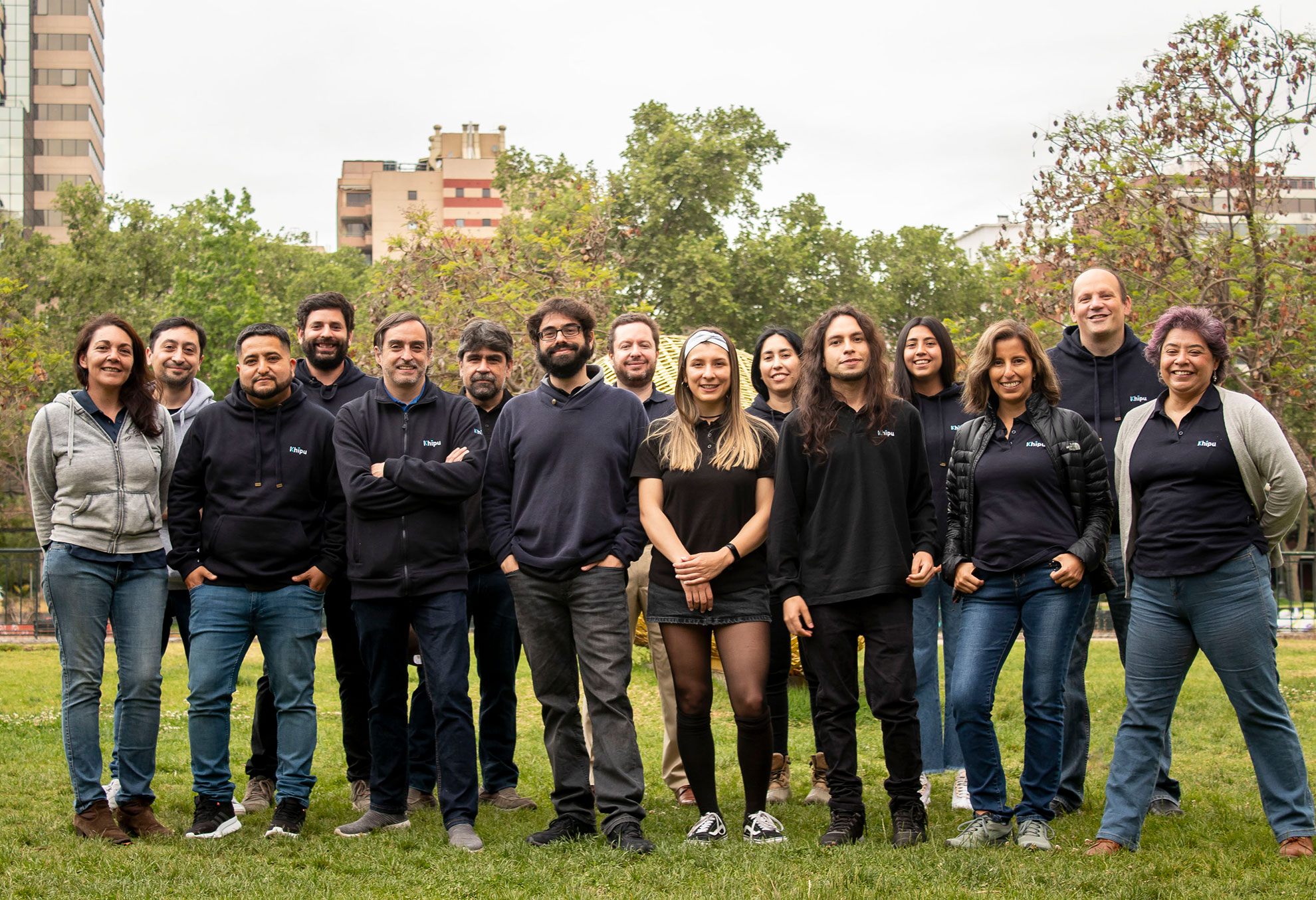
Founded by Roberto Opazo and Emilio Davis , Khipu celebrates its tenth anniversary, marking an important resistance and pivot in the technological financial world of the southernmost country in the world.
Financial bullying
Follow us on: 
From the very beginning, Khipu stood out for its approach. “We started as a solution that automated the generation of transfers,” recalls Opazo. in an initiative that was born out of a personal need, when Opazo, being a course delegate at his children’s school, was looking for an efficient way to collect fees.
Over time, what started as a solution to an everyday problem, quickly morphed into a platform that challenged (and certainly upset) industry giants like Transbank.
He was once invited to a meeting with the acquiring company – which had a monopoly period – in which Opazo felt intimidated: “There were 12 lawyers and I would tell you that was bullying,” he recalls.
Fortunately, that show of force didn’t go any further, “nothing like that happened because our legal preparation had been well done and therefore we never had a legal problem.”
Skepticism of the new
Khpu’s journey was not without its challenges. In its early years, the company faced skepticism and resistance from the banking sector and potential customers. “There was a perception that banks were in total control and that a fintech like ours would not be able to operate without their permission,” says Opazo.
However, there were others who gave them good feedback and urged them to continue. With that, Khipu not only managed to operate, but also drove a change in the mindset of the sector, proving that collaboration between banks and Fintechs could be mutually beneficial.
One of the most significant milestones in Khipu’s history was the addition of Cinemark as its first major customer. “It was a pivotal moment,” Opazo says. “Cinemark gave us the opportunity to prove that our solution was not only viable, but also superior in many ways, especially in mobile adaptability.”
The Next Evolution: Open Finance
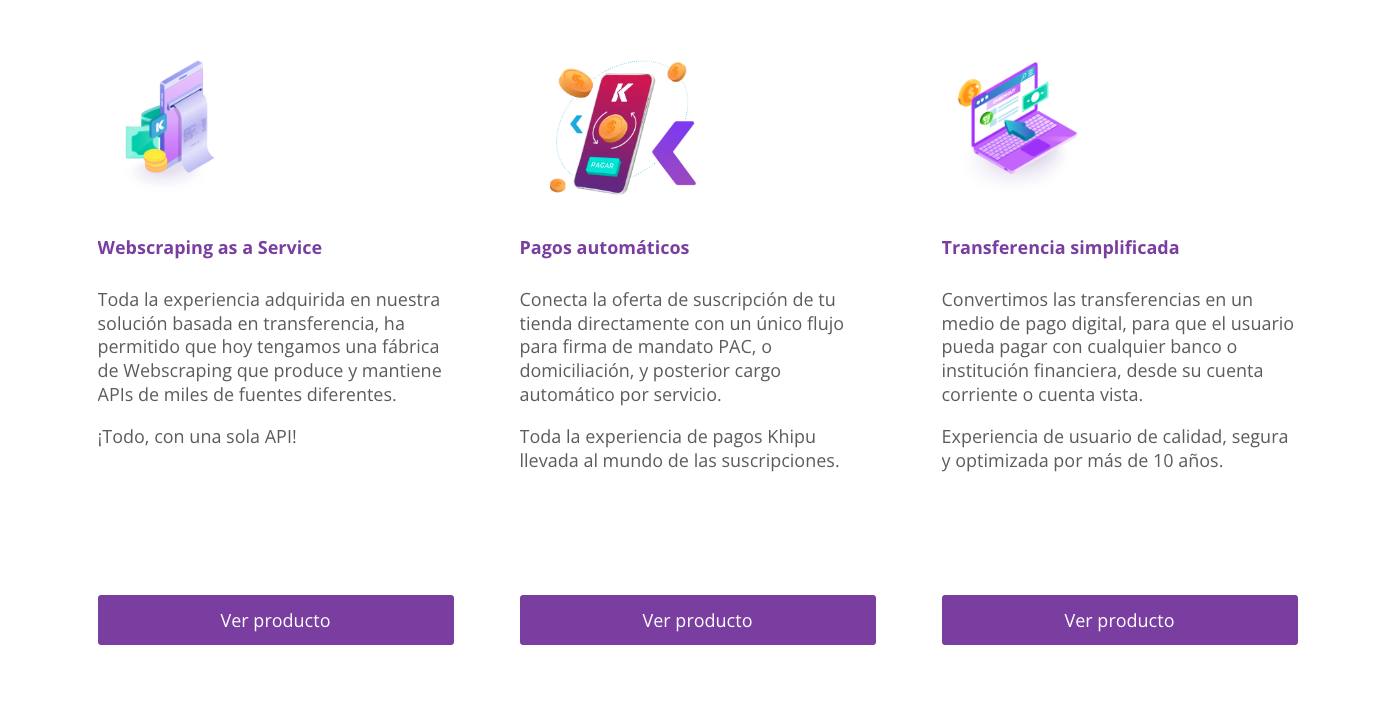
Over the past few years, Khipu embraced the concept of Open Finance, evolving from a payments platform to an end-to-end solution that encompasses data, payments, and more.
“Our vision has always been to open up the financial world to make it more accessible and equitable” Roberto Opazo, Executive Director of Khipu
While they have ambitious plans for Latam, they try to keep their feet firmly on the ground. “At the moment, Khipu is in a stage of consolidation and expansion. We are focused on strengthening our presence in Chile and bringing our solution to more countries in Latin America,” says its co-founder.
In this sense, Opazo clarifies that “Argentina elected us. It happened to us that a couple of entrepreneurs from Argentina arrived super motivated with the idea of marketing Khipu in Argentina and ended up saying ‘yes, you get excited’,” he recalls.
That’s where a question was born that accompanies them when they face the possibility of other markets.”Does this country require this service? And we think so. There’s a space for us. It’s not that we think we’re going to be the new monopoly in that country. There are different price-quality combinations, and we offer one. And certain types of businesses find us very convenient.”explains the Avonni Award winner.
And the next level?
With the start of this second decade, Khipu has a number of challenges to stay in an ever-growing ecosystem of solutions. Faced with the question of whether the startup can continue to grow for another 10 years, the answer from its co-founder is certain: yes
“Without a doubt, Kipu does, but led by me or by Emilio and me? I don’t think so. I believe that at some point within the next five years, Kipu should move to a new stage in its life cycle and in that new stage aspire to be a much larger company without its founding partners, but acquiring a degree of maturity that makes it permanent over time.” Roberto Opazo, co-founder of Khipu
Only time will tell.
Fernando Paredes Schwencke: “Lo que busca un inversionista en una startup es que tenga una escalabilidad muy alta”
Diego Navarro, cofundador de Spektr: “El punto social de esto, es el acceso a la justicia”
