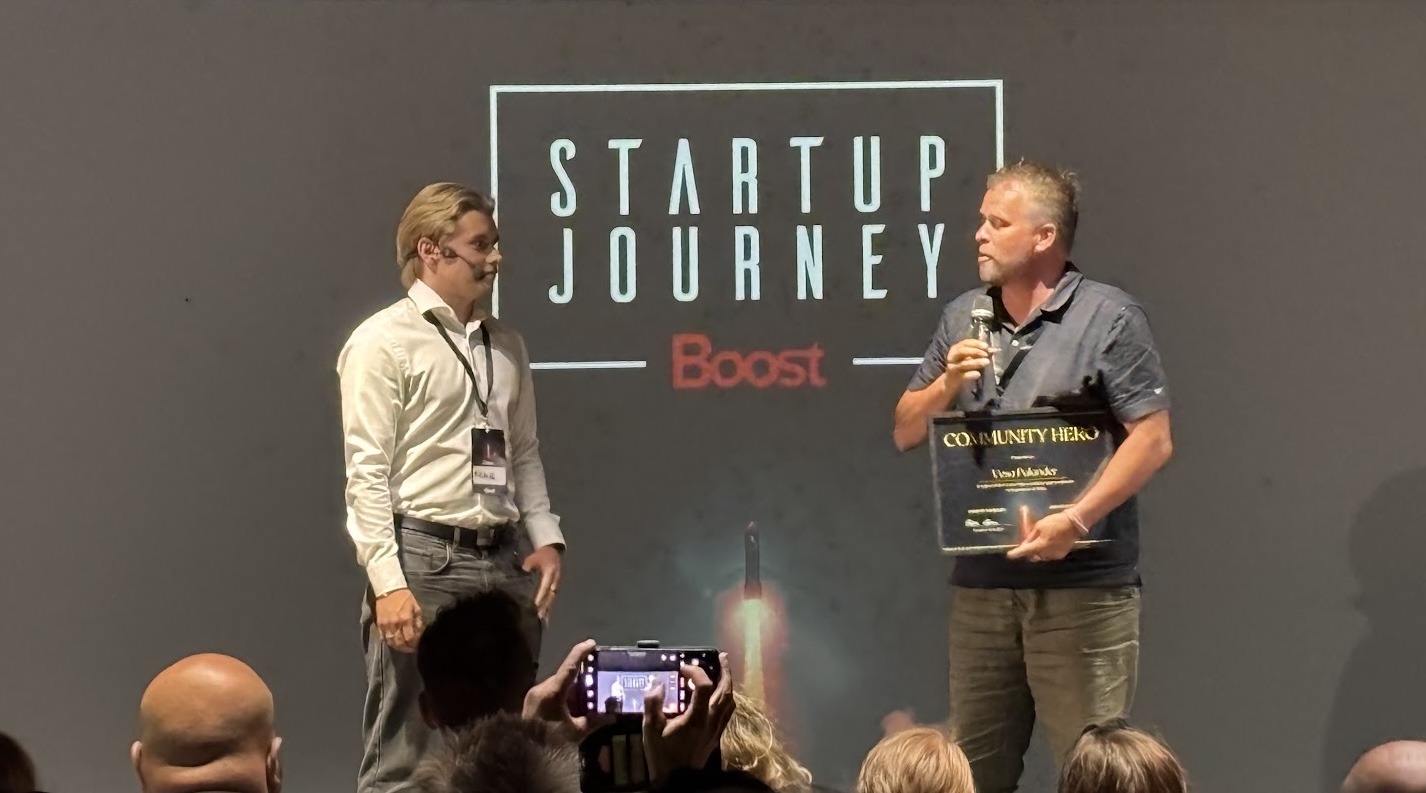
Vesa Palander's Big Bet: make Turku the best place on earth for people, companies & startups


Turku is old enough to have seen a few waves of reinvention, it's turning 800 years next 2029. The next cycle has a startup's tempo and a city hall that talks like a product team
"We want to make Turku the best place on earth for companies and for people," says Vesa Palander, the city’s Director of Business Development and Innovation.
In an exclusive interview with Entreprenerd, the experienced entrepreneur explained "We’ve got a really, really great base—and it’s always about business development: how do you make things better."
Palander is an engineer-turned-entrepreneur who migrated from corporate life (Nokia, Jabrta, Coloplast) to startups and, unexpectedly, into public service. The title on his door (elinvoimajohtaja) doesn’t translate cleanly, but the mandate does: grow the city’s economic vitality across three target groups (residents, companies, and visitors) and stitch them into one flywheel.
Follow us on: 
"It’s so many things you have to consider," he says. "If we want to attract talented startup CEOs from Helsinki, they evaluate more than a job: culture, nature, housing policies. That big-picture challenge is the fascinating part."
The Pillars: Community, Services, Story
Palander’s playbook reads less like bureaucracy and more like a founder’s OKRs.
1) Community first.
"When I moved here in 2018 as a founder, I was looking for the startup community—didn’t really find it. The pandemic killed good starts," he says. "So in May we launched Turku Startup Relaunch. We had 100+ people at the kick-off. Community is the pie; space comes after."
2) Services that remove friction.
Employment and business services sit in his department for a reason. "Unemployment is record high in Turku—that’s a huge problem from a business and human perspective. We’re figuring out new ways to tackle it," he notes. For companies, the city’s role is enabler: "We can share information, remove bottlenecks, and make positive coalitions happen—people from academia, businesses, startups, and the public sector."
3) Tell the story—loudly.
Turku, he argues, undersells itself. "We Finns are not really good at marketing. People visit Turku and say it’s like being abroad—super positive experiences. That’s the story every Turku resident should be telling."
Sectors: From Blue Economy to GovTech
Ask for "the next big Turku," and Palander doesn’t lock the city into a single bet—he sets a direction.
"Maritime is huge, we build the greatest cruise ships and should make it more visible,"
Vesa Palander, director of business development & innovation, Turku City
Folding maritime into a broader blue economy and pushing life sciences/bio and ICT as parallel tracks. But the city won’t pick winners. "We support all kinds of companies, from startup founders to a hairdresser opening a first shop, because a healthy economy needs many different experiences."
One area where city hall can be a genuine customer zero: govtech. "How do we use AI inside the City of Turku? Multiple initiatives are running," Palander says.
"The question is how to turn that into a regional competitive edge, including companies and academia in the innovation process." Translation: pilot internally, open the sandbox, then scale with local vendors.
Academia to Market (A2M): The Commercialization Gap
Finland funds research well; commercialization is the spiky part. Palander wants to turn the city into connective tissue. "There’s a lot of research showing university spin-offs outperform on average. In Turku, we must get better at commercialization," he says, noting ongoing alignment with Business Turku and local universities to move from meetings to "more concrete examples, targets, and practical ways of doing things."
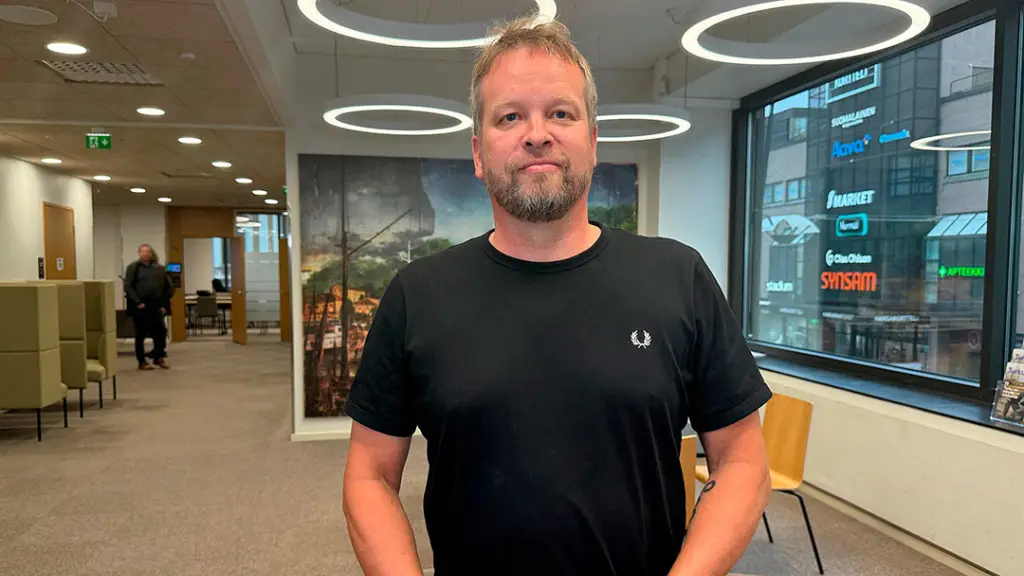
Hardware for the Ecosystem: A Physical Hub
A community needs a home. Think Maria 01 in Helsinki, but with a Turku accent. "Yes—we’re going that road. We’re exploring options in core Turku," Palander confirms.
"The dream: a place for startups and slightly bigger companies—real-life ecosystem building, not just talk. Nothing ready yet, but we hope to announce something this year."
Vesa Palander on creating a physical space for innovation and startups in Turku
Operating System: Pilot Fast, Scale What Works
Palander is importing founder metabolism into a 6,000-person organization. "It doesn’t have to be a two-year plan—do it in two weeks," he says.
"We’re introducing pilots under three months. If they work, scale. If they don’t, learn and don’t repeat. Fail-fast belongs in city ops, too." It’s culture change by shipping.
Milestones: What to Watch
Pressed for dates, he won’t over-promise, but the big three priorities are clear:
- Startup ecosystem: from community relaunch to consistent programming—and a physical hub.
- Investment & story: "How do we sell Turku to foreign and domestic investors?" Expect bolder narratives and sharper outreach.
- Internationalization: "Finland lives from R&D and export. How does the city nurture international growth of our companies?" Alignment with Business Turku aims to make founder journeys feel seamless.
Advice to Founders (and a Nudge to Turku)
Palander still talks like a mentor. "Go for it. It’s tough—someone has to do it," he says. "The founding team is everything—you’re almost getting married; you don’t want a divorce.
And community matters—learn from other founders’ mistakes before you make them." For first steps, he’s pragmatic: "Business Turku is a great starting point—and we’re aligning so services feel like one experience."
He’s equally blunt with residents. After years of shocks—pandemic, war, economic drag—he wants Turku to reclaim momentum.
"Find the positive things in your life and in the economy. Help businesses grow, become an entrepreneur, take the risks. Let’s start living again," he says. "We have high education, skilled people, and a great baseline—now let’s exploit it together."