



The startup ecosystem in the Turku region is growing strongly, according to the 2025 startup survey. Entrepreneurs find the operating environment more positive than before, and the region is increasingly attracting international talent.
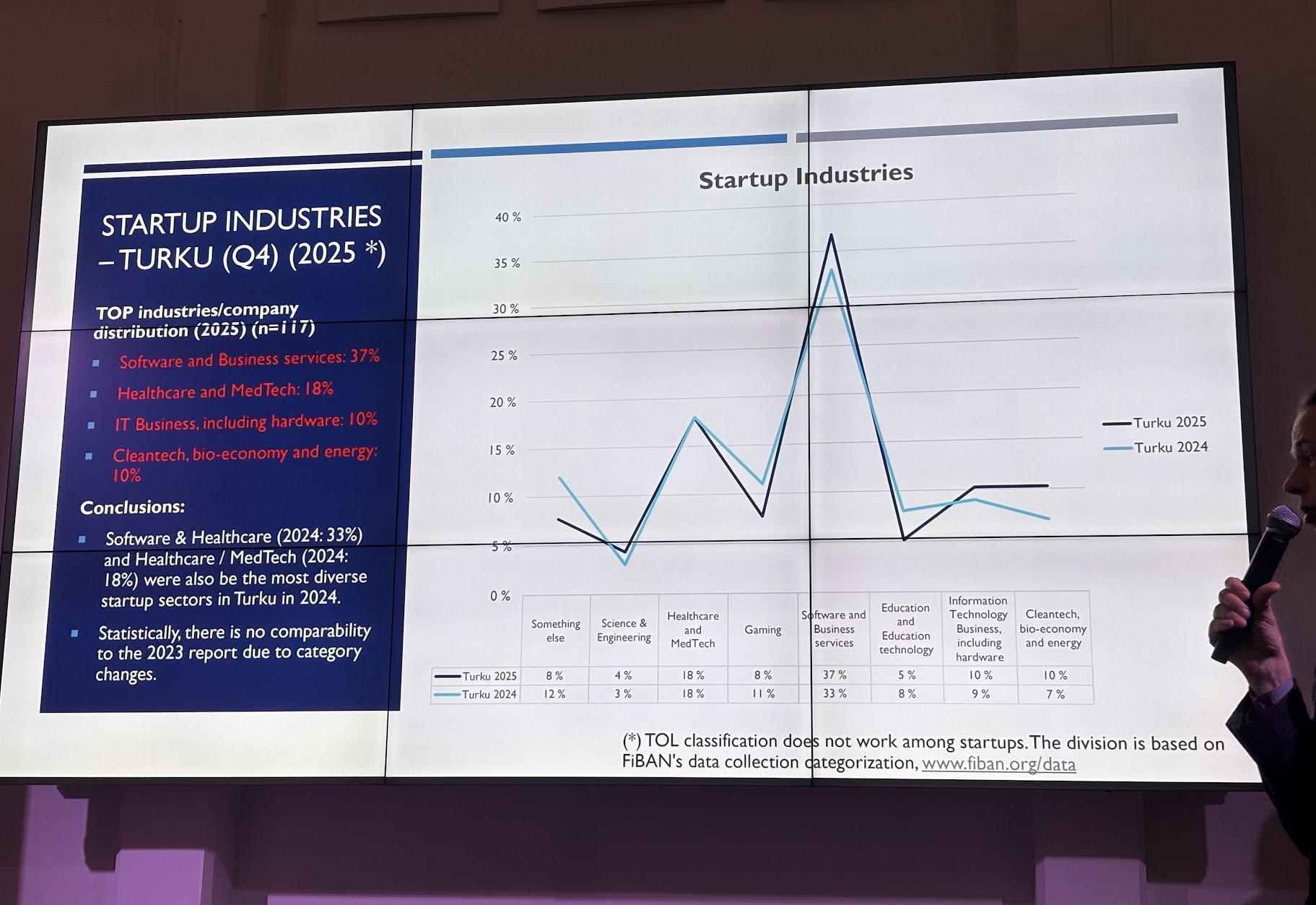
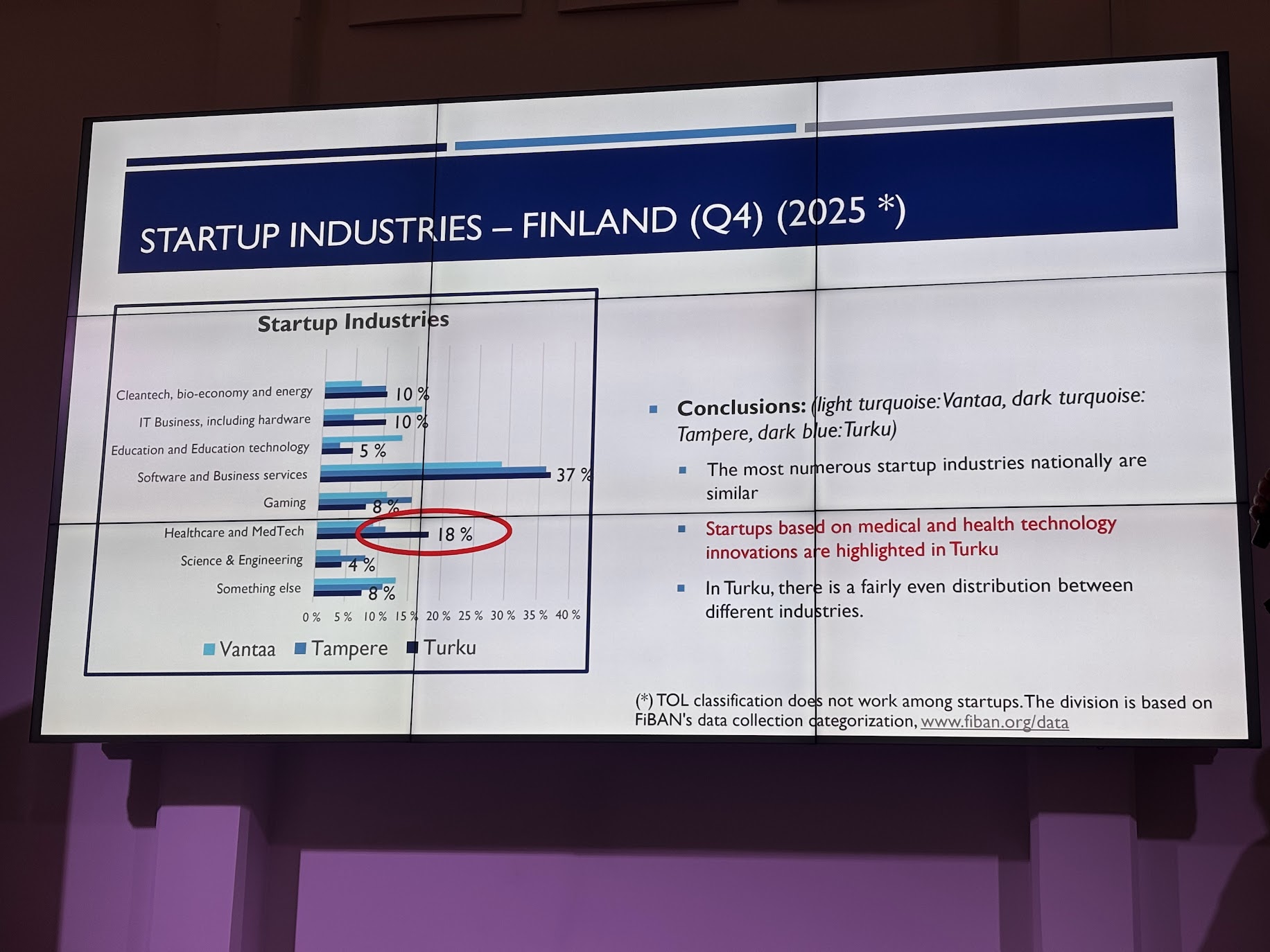
October 2025.- This Wednesday, the results of the third survey measuring the "temperature" of Turku's startup ecosystem were released, comparing the years 2023 and 2024. This time, the sector's growth compared to 2024 is highlighted, with startups focused on Software and Business Services leading the way with 37%, up 4 points compared to the results for 2024 (33%). This is followed by startups in the Healthcare & MedTech sector with 18%; IT Business, including Hardware, with 10%; and Cleantech, Bio-economy, and Energy with 10%; and Science & Engineering with 4%.
Meanwhile, the sectors that decreased compared to the previous study were: Gaming with 8% vs. 11% in 2024; Education and Education Technology with 5% vs. 8% in 2024.
Follow us on: 
The study also showed that startup entrepreneurs in the region are more satisfied with their operating environment and more committed to the Turku region. Of the startups that responded to the survey, 62% consider the Turku region to be a very good or good place for a company. Of those who responded, 88% do not plan to move away, which is 11% more than last year.
"It is really gratifying to see that startups in the Turku region feel that their operating environment is even stronger now. We are just getting started in strengthening the ecosystem, as we are currently building a startup hub in Turku. Business Turku's search for a startup customer relationship manager aroused enormous interest, and the events organized for startups during the summer and autumn have been very fruitful", said Vesa Palander, Director of Vitality of the City of Turku.
INTERNATIONAL STARTUP ECOSYSTEM
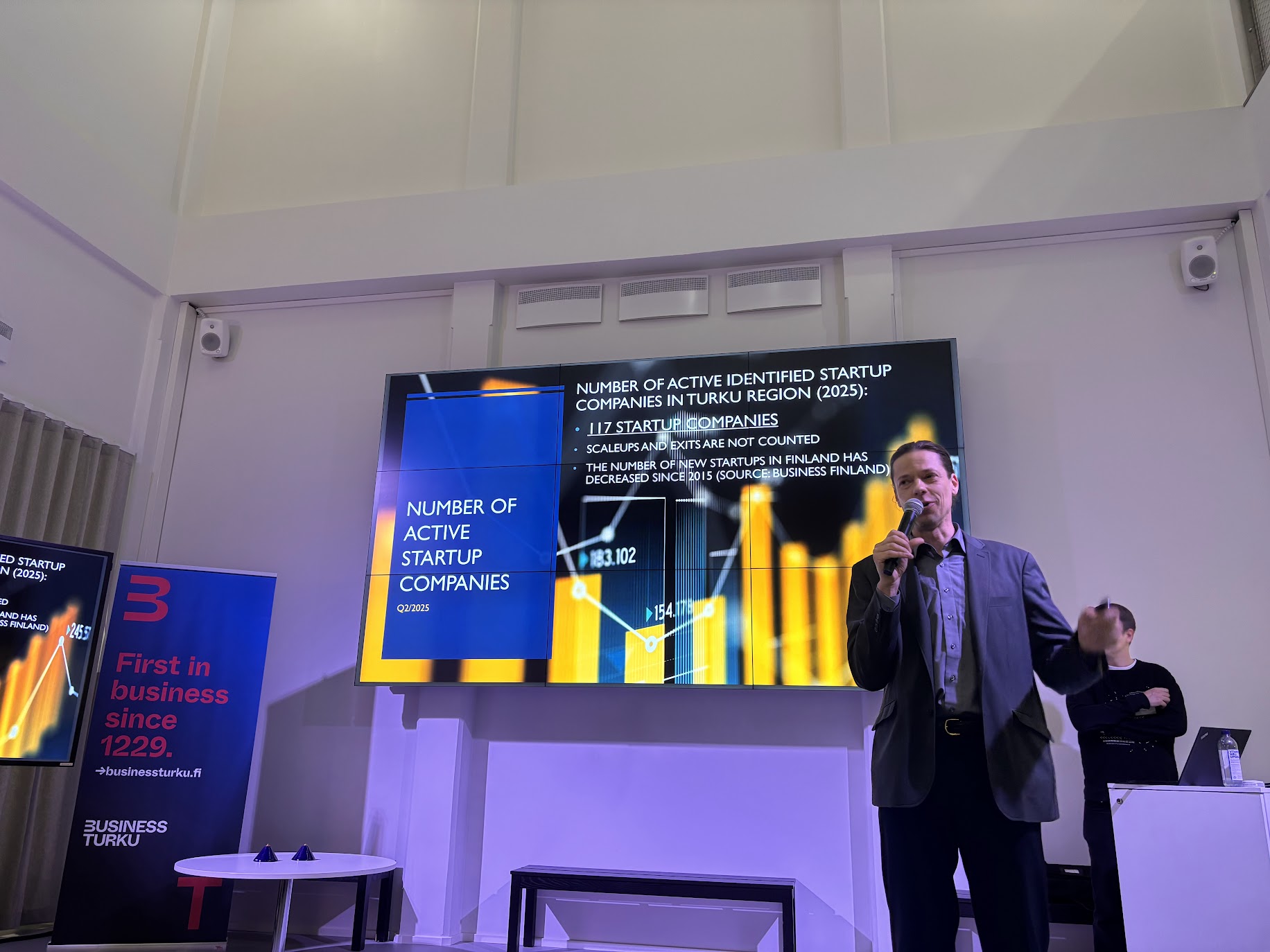
The survey is conducted by Tommi Uitti of the Startup Support Association, in collaboration with the City of Turku and Business Turku.
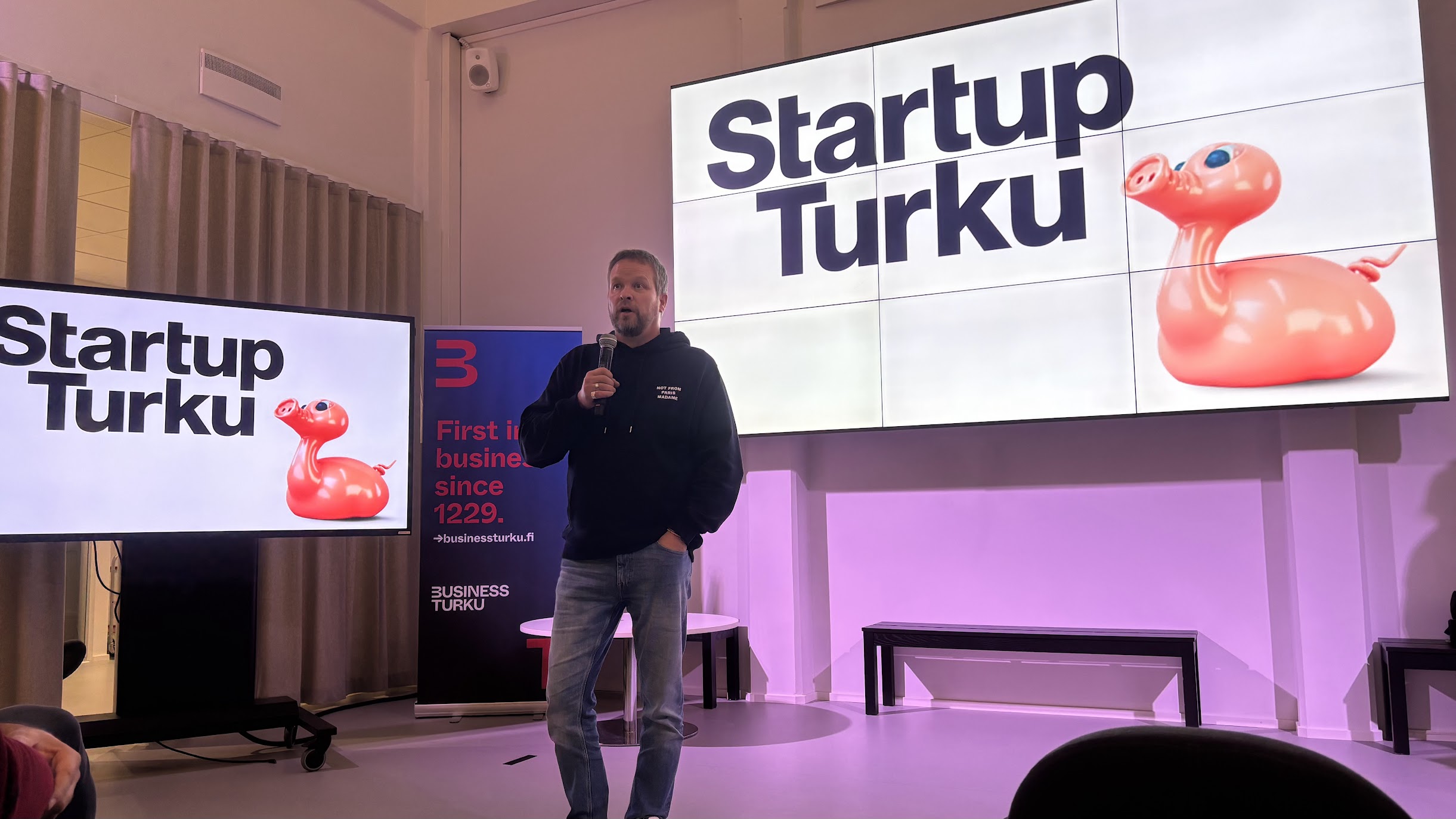
The Turku region is the first region in Finland surveyed by startups where the majority of companies (52%) use English as their main working language. This indicates the growing internationality of the ecosystem and its ability to attract talent from all over the world.
Along these lines, regarding the international talent that is part of startups, Tommi Uitti said to Entreprenerd: "Creating a favorable environment for startup founders is critical in any international business development process. This includes market expansion, product development, bringing the right talent into the team, and, of course, if you want to succeed in highly competitive international markets, you need to attract the best talent. So why limit yourself to the Finnish talent pool only? (...) As an international professional, you could probably take on a much more diverse set of development tasks, since startups often need to build almost everything from scratch and that experience itself would be highly valuable."
"The startup community in the Turku region is not only growing, but also internationalizing and diversifying. It is encouraging to see that more and more new startups are choosing the Turku region as their home base", says Elias Savonlahti, coordinator of Business Turku.
Companies have been founded by at least one person who:
- Has not been a founder before (new entrepreneur): 48%
- Has founded a company before (serial entrepreneur): 69%
- Female: 31% (up 9 points compared to 2024)
- Male: 95%
- Non-EU Citizen: 23% (up 16 points compared to 2024)
- Non-Finnish or non-Swedish speakers: 26% (up 16 points compared to 2024)
- EU Citizen: 82%
"To encourage more international-background founders to start businesses, there are several key factors to consider. From my experience, at least a couple of them are especially critical. First, you need to have the right people around you—not only to provide official guidance, but also to offer peer-to-peer support. I would strongly recommend not beginning your entrepreneurial journey entirely alone. Being a solo founder can be extremely demanding—physically, emotionally, and mentally—so ideally, there should be a co-founder from the beginning", said Tommi Uitti to Entreprenerd.
He adds, "However, even if that’s not possible, it is still important to build a supportive network that includes both Finnish individuals and people with international backgrounds. It’s better not to isolate yourself in a bubble surrounded only by others from your home country, but to connect with those who already have deeper roots in Finland".
"The key to succeeding in this is access to physical spaces and social gatherings, such as the one we are at now. Events that are inclusive, held in English, and open for networking are incredibly valuable. They make a real difference because I don’t believe success comes only from official services—although business development support, advisory services, and help with technical aspects like company setup and paperwork are certainly important. Ultimately, it all depends on the type of business you want to build", emphasized Uitti.
WOMEN LEADING STARTUPS
The survey revealed that only 31% of startups in the Turku region are led by women. While this represents a significant increase from 24% in 2024, much remains to be done to boost female participation. One of the initiatives to increase this figure is the one promoted by Boost Turku, called "Boost Her Turku" launched just a couple of months ago.
A significant development in this regard is the Women's Health Hub Finland, launched in 2025, which brings together companies, researchers, and investors focused on women's health to develop solutions to global health challenges.
This has positioned the Turku region as a hub for innovation in the healthcare sector, as evidenced by the fact that 19% of startups in the region operate in the healthcare and medtech sectors, a high proportion compared to the national average.
THE VITALITY STRATEGY SUPPORTS GROWTH AND ACCESS TO FINANCING
In Turku's vitality strategy, startups and growth companies are a key part of the region's future growth. The city is actively developing an innovation ecosystem together with universities, research institutes and companies.
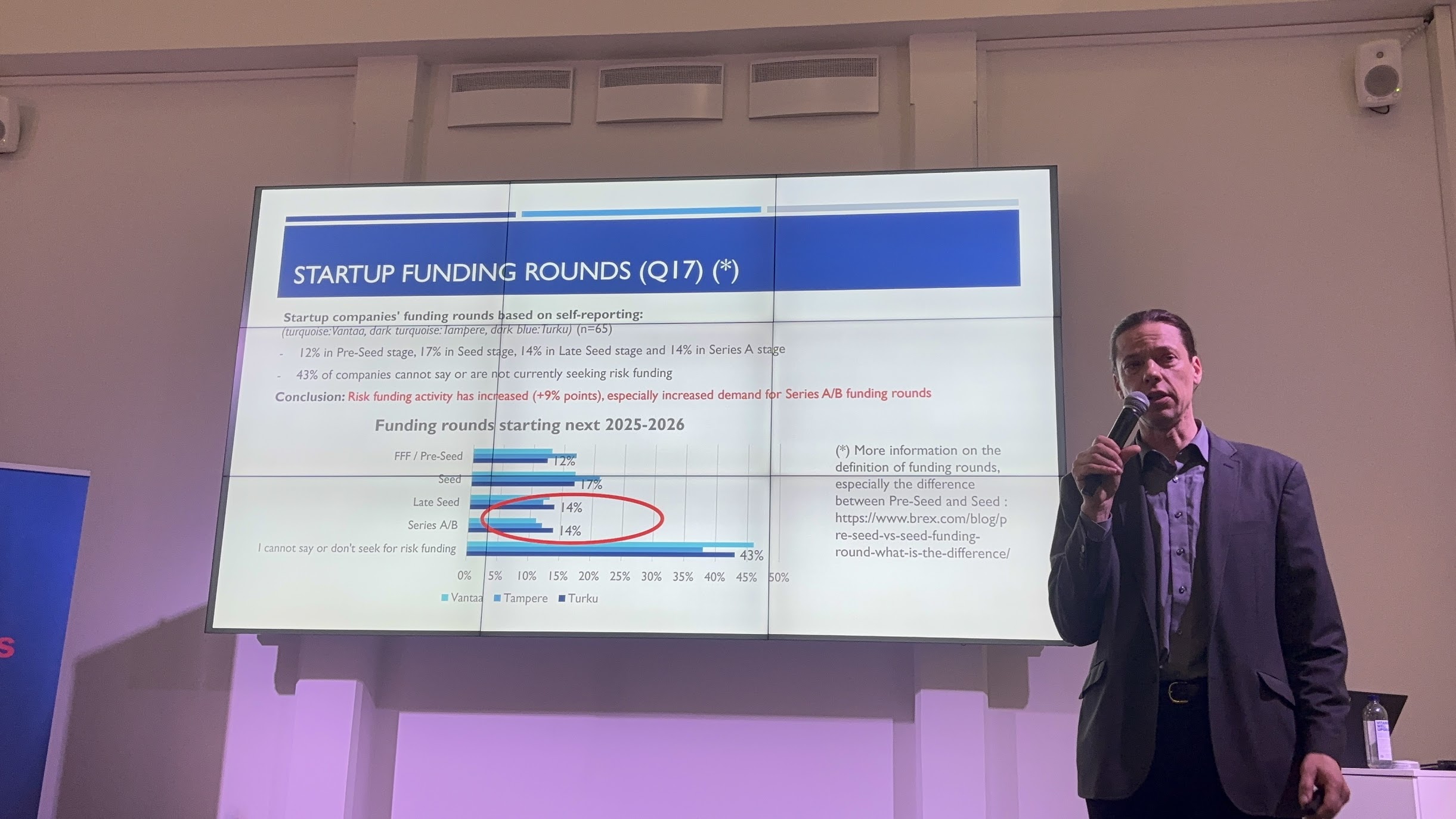
The Turku region has also established itself as a center for the blue economy and aims to become the leading driver of the industry in the Nordic countries. A'Pelagon's Blue Accelerator program is part of the blue economy ecosystem being developed in the Turku region. In addition, the Blue VC fund opened in Turku and the Blue Economy Center opening in Turku at the beginning of November support the growth and internationalization of startups in the industry.
"Turku wants to invest in the availability of financial instruments and funding channels for startups. Redstone's Blue VC fund is a good example of this. Our goal is to create the best possible conditions for the emergence and growth of new startups", said Palander.
One of the key points Uitti highlighted in a conversation with Entreprenerd is the creation of more centers to empower entrepreneurs, such as incubators, where they can shape their ideas and develop or establish a product and/or service.
"Every city needs its own startup community—whether you call it a startup hub, house, or center. There are many possible operating models, but one key element is often missing: openness".
"In many startup hubs around the world, access is limited to entrepreneurs who already have a validated business idea and are actively seeking investors. These hubs primarily function as places where startups develop products and pitch for funding. What’s often lacking is integration of talent and opportunities for aspiring entrepreneurs".
"I would love to see more open and inclusive startup hubs in cities across Finland—places where not only established founders can work, but where early-stage entrepreneurs and talented individuals can also participate. These hubs should welcome people with diverse skill sets—from marketing to media—who can contribute to startups from day one. Not all collaboration needs to be formal employment; it could also be based on community support and knowledge exchange".
"By creating open spaces—like shared kitchens or lounge areas—cities can host inclusive events where aspiring founders and international talent feel welcome. This bottom-up approach helps build a true entrepreneurial community, rather than a closed environment managed from the top".
"That’s my wish for all cities: create startup hubs that are open, inclusive, and community-driven—places people feel proud to call their entrepreneurial home".
The results are used both in regional decision-making and in the development of the business ecosystem.
The first survey in Turku was conducted in 2023. In addition to the Turku region, the survey will be carried out in Tampere, Espoo, Vantaa, Oulu and Lahti.