


"Founders aren't Googling your fund give them a reason to" by Elena Popovici


Let me save you a few million euros and a few years of irrelevance: if you’re launching a fund in 2025 and still think hiring an associate is your first move, you’re playing last season’s game.
As a growth strategist, let me be blunt: your fund needs a Head of Content more than it needs another deck-sifter. Someone who can build visibility, trust, and inbound interest before the first pitch deck even lands in your inbox.

Capital is cheap. Attention is scarce
Follow us on: 
If I had a euro for every new microfund claiming to be "founder-first" or "sector-agnostic but thesis-driven," I could outbid you in your next round. The differentiator is no longer capital—it’s story, signal, and resonance.
The truth? Founders aren’t picking funds based on who has the best deal memos or the most polished data room. They’re choosing who they already trust. And trust isn’t built in a spreadsheet. It’s built in public—consistently, and with a point of view.
You’re not competing on access anymore. That game is over. You’re competing on recognition. And in a world where every founder is one browser tab away from a dozen term sheets, you'd better give them a reason to remember you. A logo isn’t enough. A thesis isn’t enough. You need a narrative—and someone who knows how to shape it.
Content is the new carry
You don’t need a podcast because everyone else has one. You need one because it helps founders understand how you think before they ever meet you. You need a newsletter not because it’s trendy, but because it keeps your fund top-of-mind when a founder is choosing who to send their deck to. You need essays, guides, and playbooks not because they’re nice to have, but because they generate real signal—and signal drives deal flow.
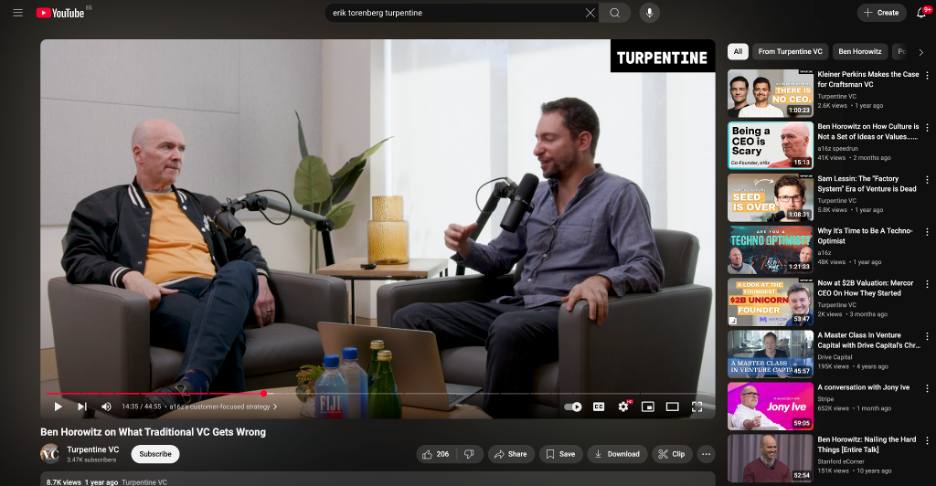
a16z knows this. Their acquisition of Turpentine, the podcast and newsletter network founded by Erik Torenberg, wasn’t a vanity play—it was a distribution strategy. They understand that reach equals relevance, and relevance leads to proprietary access.
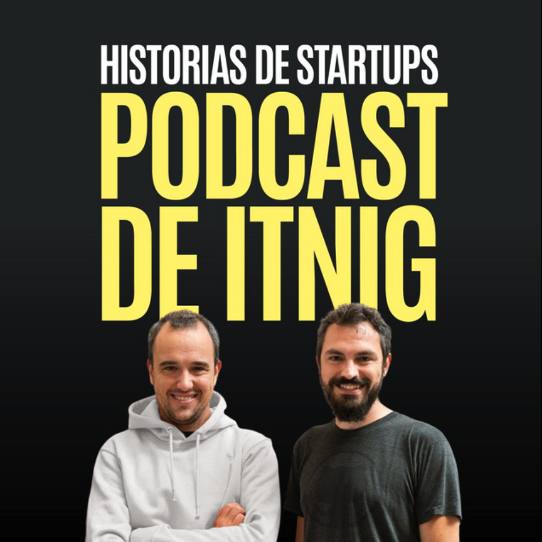
The Itnig Podcast is a flagship content initiative from the Barcelona-based startup ecosystem Itnig, co-founded by Jordi Romero and Bernat Farrero, who also founded the HR SaaS unicorn Factorial. The podcast dives into raw, unfiltered conversations with founders, operators, and investors—focusing on real-world startup journeys, product strategies, and fundraising experiences. It’s hosted in Spanish and has become a trusted content hub in the European tech scene, blending thoughtful analysis with personal founder stories. Many of its episodes explore how companies like Factorial scaled, raised funding, and made critical decisions, reinforcing Itnig's position as both a builder and a thought leader.
In 2024, Itnig formalized its long-standing angel investing into a structured early-stage fund: Itnig Capital, with a target size of €10-15 million, backed by the same team behind Factorial. The fund invests in pre-seed and seed-stage startups, especially in software and digital infrastructure. Itnig Capital is unique in that it leverages the reach of the podcast and community to source deals and signal credibility to founders—essentially turning content into a competitive edge for venture.
The real job of your head of content
This isn’t about someone "doing your LinkedIn." That’s table stakes. Your Head of Content defines your fund’s voice and positioning—ensuring you show up not just in cap tables, but in founder group chats, top newsletters, and tech Twitter threads.
They launch media products: podcasts, essays, founder playbooks, and Q&A formats that create signal, not noise. They design trust loops. They engineer relevance.
They create recurring moments: monthly newsletters, founder templates, ecosystem deep dives. This isn’t fluff. This is distribution with teeth. This is how you stay top-of-mind when the right founder is looking for their next partner.
Not all deal flow is good deal flow
Let’s be honest: every VC inbox is overflowing with pitch decks. But volume isn’t value. If your positioning isn’t crystal clear—if your thesis isn’t reaching the right audience—you’re not getting proprietary deal flow. You’re getting randomness, cold leads and noise.
This is where a Head of Content changes the game. Their job isn’t just to get more people to notice you—it’s to attract the right people. Because when a founder reaches out to you after reading your writing or sharing your podcast, that’s not a cold email. That’s a qualified signal. That’s a warm path to relevance—and better conversion.
Are you sure the deals hitting your inbox are the ones worth chasing? A content strategy helps make sure they are.
Associates are important. But they’re invisible without attention
Let me be clear: I’m not saying don’t hire an associate. You’ll absolutely need someone to do the work—to vet the deals, run the models, chase the data rooms. But if no one knows who you are, no one’s sending you their best startups.
An associate, at best, optimizes a funnel. A Head of Content creates the funnel. One builds infrastructure. The other builds heat.
If you’re starting with spreadsheets and workflows before narrative and relevance, you’re already behind.
Final thought: this is a content game now
You’re not a fund. You’re a brand. And in 2025, the best VC firms won’t act like finance shops—they’ll act like media companies with capital.
They’ll publish ideas worth sharing. They’ll host conversations founders want to be part of. They’ll create editorial products that build not just awareness—but trust, familiarity, and resonance.
So, if you’re still whispering your thesis into closed rooms, waiting for great founders to "just find you," good luck.
The best founders are out there, scrolling, swiping, choosing. And they’re looking for signals that speak their language.
Stop being invisible. Start broadcasting value. And for the love of deal flow, hire your Head of Content before you start sourcing analysts. Your pipeline depends on it.
